


Folic acid, or folate (when it comes from food), is one of the B vitamins and therefore a water-soluble vitamin that we cannot store in our body but have to take in regularly through our diet. However, in Germany not enough is consumed through diet. As many as 90 % of the population take in too little of this important B vitamin! And yet folic acid has a wide variety of functions.
What do we need folic acid for?

Our genetic material, DNA and RNA, contains all the information our body needs to function smoothly. However, DNA and RNA often have to be newly formed, for example during cell division. In this process folic acid is needed so that the genetic material can be replicated. The vitamin is used in the form of tetrahydrofolic acid (THF) to accomplish DNA replication.
In addition to this essential function, folic acid is also involved in protein metabolism and the breakdown of homocysteine. The breakdown of homocysteine is important because this amino acid can damage the blood vessels.
Furthermore, the B vitamin helps not only in the formation of DNA and RNA but also of red blood cells, and is especially important in phases of rapid growth, such as pregnancy.
How much folic acid do we need?
The German Nutrition Society recommends a daily intake of 300 µg of folate equivalents for adolescents and adults. One µg of folate equivalent corresponds to 1 µg of dietary folate or 0.5 µg of synthetic folic acid. Less of the synthetic form needs to be consumed because humans absorb 85 % of it, compared with only 50 % of dietary folate. Because the requirement rises in pregnant women, a daily intake of 550 µg is recommended here.
Which foods contain a lot of folic acid?
To take in enough folic acid, green leafy vegetables such as spinach or lettuce are very good sources. Tomatoes, pulses, wholegrain products and eggs are good sources too.
With folate-rich vegetables, however, you should make sure that you wash them whole and do not boil them but only steam them. Otherwise the water-soluble B vitamin can be lost during cooking. In addition to eating vegetables every day, it is important to consume dairy products and wholegrain products daily. When choosing foods, it is important to bear in mind that the B vitamin can be absorbed better from animal foods than from plant foods.
Pregnant women in particular should pay more attention to a sufficient intake, as the requirement for folic acid rises during pregnancy.
What symptoms occur with a folic acid deficiency?
Because folic acid is involved in many growth processes (formation of DNA and of red blood cells), a deficiency mainly impairs cell division and growth. The reduced formation of red blood cells can also lead to anaemia.
Regardless of age group, a deficiency of this B vitamin always has consequences. In particular, the rise in the homocysteine level is a major problem, as an increase of homocysteine in the blood can lead to atherosclerosis and also dementia.
During pregnancy, a deficiency can lead to malformations in the child such as neural tube defects. These malformations usually affect the brain or spinal cord. The risk of miscarriage also increases.
Should you supplement folic acid?
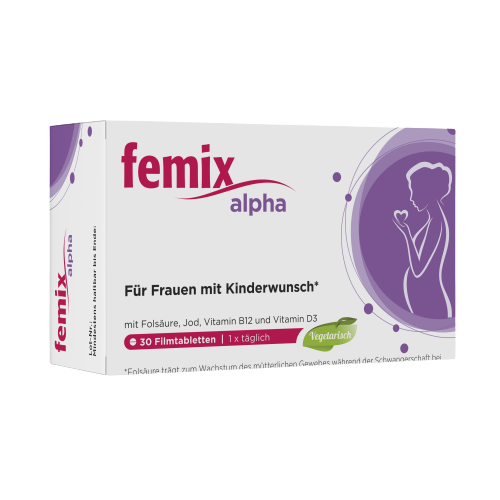
With a considered and balanced diet, the 300 µg of folate equivalents can be covered without a food supplement, but most people find that quite difficult. After all, 90 % of Germans do not have an optimal intake. Accordingly, it can be sensible here to take the B vitamin in addition to your diet. If you do not want to swallow capsules, another option is to use salt enriched with folic acid to cover your requirement.
For pregnant women there is a clear recommendation to supplement folic acid. Because the increased requirement of 550 µg in pregnancy can hardly be covered through diet and folic acid is essential for embryonic development, 400 µg a day should additionally be taken in the form of food supplements. Intake should begin four weeks before the planned pregnancy and be continued until the end of the first trimester.